
Updated June 2026 — refreshed with the current small business cost-cutting playbook for 2026.
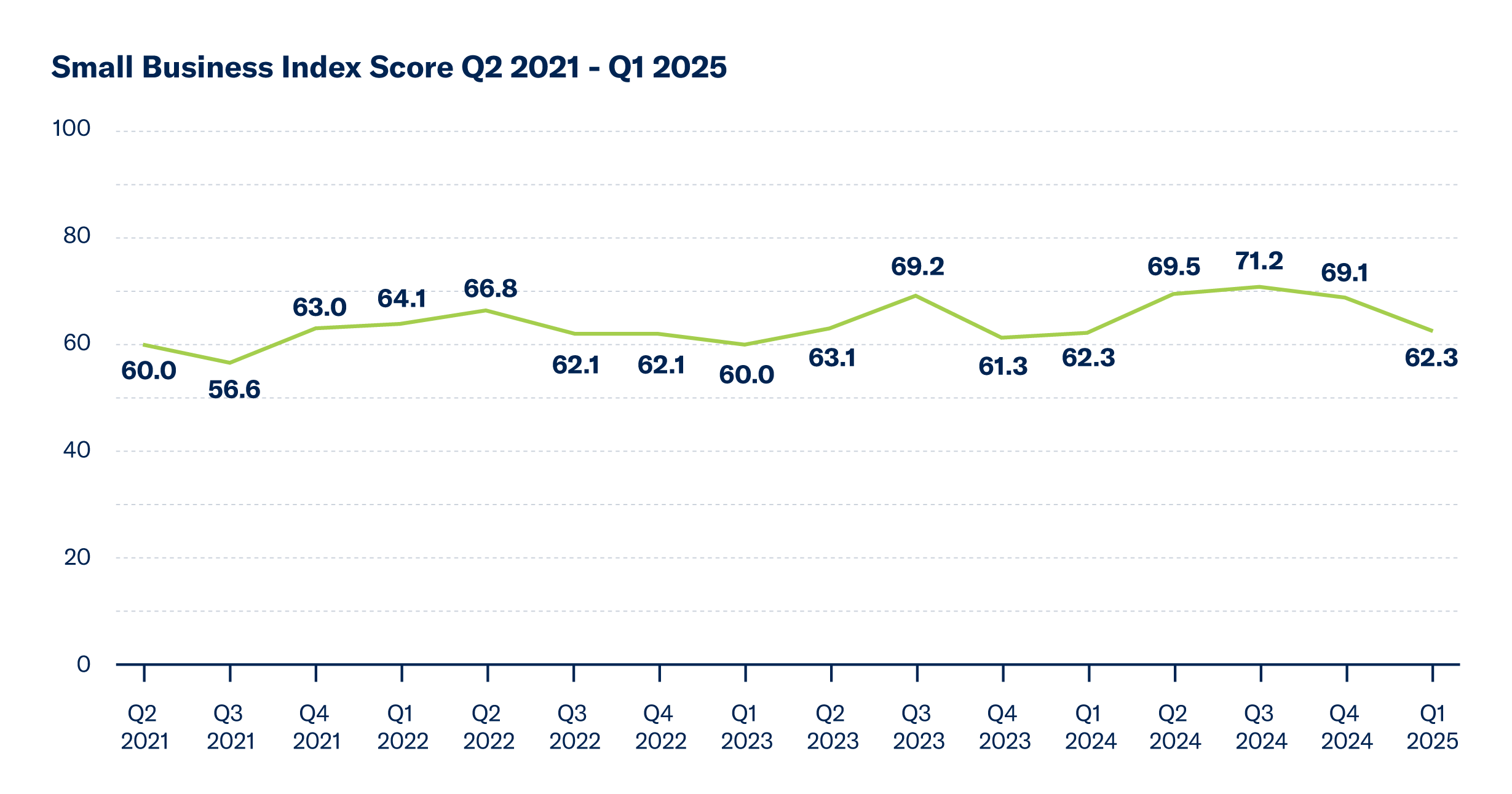
As we delve further into 2026, small and mid-sized business leaders like you are facing intensified pressures. In sectors like professional services, retail, tech startups, and healthcare, the mid-year push amplifies cash constraints—especially amid lingering inflation. Nearly six in ten small and mid-size business owners are feeling inflation's sting, with rising costs cited as a major barrier to growth despite overall optimism in the U.S. Small Business Index.
At BizHealth.ai, we serve as your Business Health Coach, providing AI-driven diagnostics to cut through uncertainty and spotlight operational efficiencies. Our platform uncovers blind spots across 12 key areas, including Operations and Financials, helping you affirm strengths and address gaps without the risks of traditional consulting. In this guide, we'll explore small business cash crunch realities, inflation's ops impact, and practical operational cost fixes for 2026. We'll also highlight how efficiency diagnostics can deliver 15-20% gains, turning today's challenges into sustainable momentum. Let's transform operational cost fixes and efficiency diagnostics into your roadmap for resilient growth.
Understanding Cash Crunches in 2026
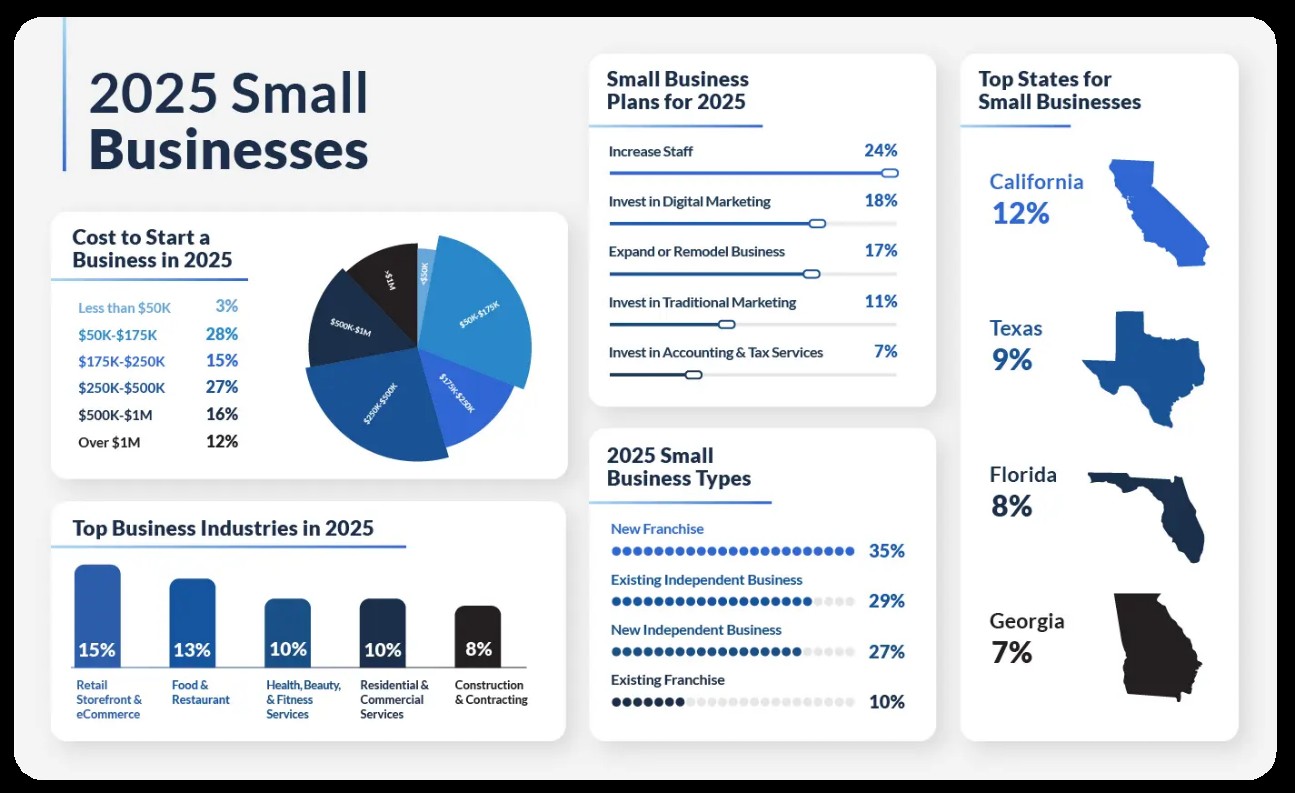
Cash crunches often hit small and mid-size businesses when demand spikes, reserves dwindle from taxes, inventory builds, and slower payments converge. In 2026, this is compounded by economic recovery trends, with the Federal Reserve's interest rates hovering at 4-4.25% and inflation projected to hit 4% by September. Ocrolus and OnDeck's Q2 2026 report shows 92% of small businesses expecting growth, yet cash flow remains a top hurdle for 70% per AP Financing data.
For cash-strapped small businesses, these crunches manifest as delayed vendor payments, stalled expansions, or even payroll strains. In high-density markets like the U.S. (33.3M small businesses), UK (5.45M), and Australia (2.59M), where digital tool adoption is surging 15-30% annually per OECD and McKinsey, owners report uneven inflation effects—hitting variable costs like fuel and supplies hardest. If your business is in early-stage or scaling mode, these blind spots can derail milestones, with 60% stalling post-year three per Gartner.
Recognizing signs early is key: monitor KPIs like EBITDA and CAC for dips, and watch for operational bottlenecks that inflate costs. BizHealth.ai's 30-40 minute questionnaire pinpoints these, offering tailored reports like the Owner's Report to guide quick, data-backed adjustments.
Inflation's Ops Impact on Small Business Operations
Inflation isn't just a macro headline—it's reshaping small business operations in 2026. The U.S. Chamber notes inflation as the primary concern for 46% of small businesses, down slightly but still dominant. Operational hits include:
- Rising Labor Costs: With wages climbing due to regulations and inflation, payroll eats into margins. The rising cost of labor in 2026 adds pressure, forcing owners to balance talent retention with efficiency.
- Supply Chain and Variable Expenses: Fuel, energy, and materials have surged, with operational costs the first to feel the pinch. Inflation drives up inventory and shipping, impacting cash flow for retail and manufacturing businesses.
- Fixed Cost Pressures: Rent and utilities rise with little warning, fueling layoffs and reduced hours in some cases.
Globally, this varies: In Canada (58% small business growth), similar regulatory environments amplify compliance costs; in Germany (3.41M small businesses), Mittelstand firms face efficiency challenges in manufacturing. For English-speaking hubs like the UK and Australia, post-pandemic recovery adds volatility, with 90% SME optimism tempered by digital shifts.
The result? Chronic cash squeezes that limit innovation, with 70% of small businesses affected per SBA benchmarks. Yet, this creates opportunities for targeted fixes, leveraging AI to forecast and mitigate.
Cost Efficiency Check
Could hidden inefficiencies be draining your cash?
Most small businesses can cut 15–20% of operational costs with targeted fixes. A quick health assessment pinpoints exactly where your money is leaking—before it gets worse.
No consultants. No ongoing fees. Just clarity.
Practical Operational Cost Fixes for 2026
Tackling small business cash crunch requires actionable, low-risk strategies. Here are proven operational cost fixes for 2026, drawn from efficiency-focused approaches:
1. Streamline Expenses Ruthlessly
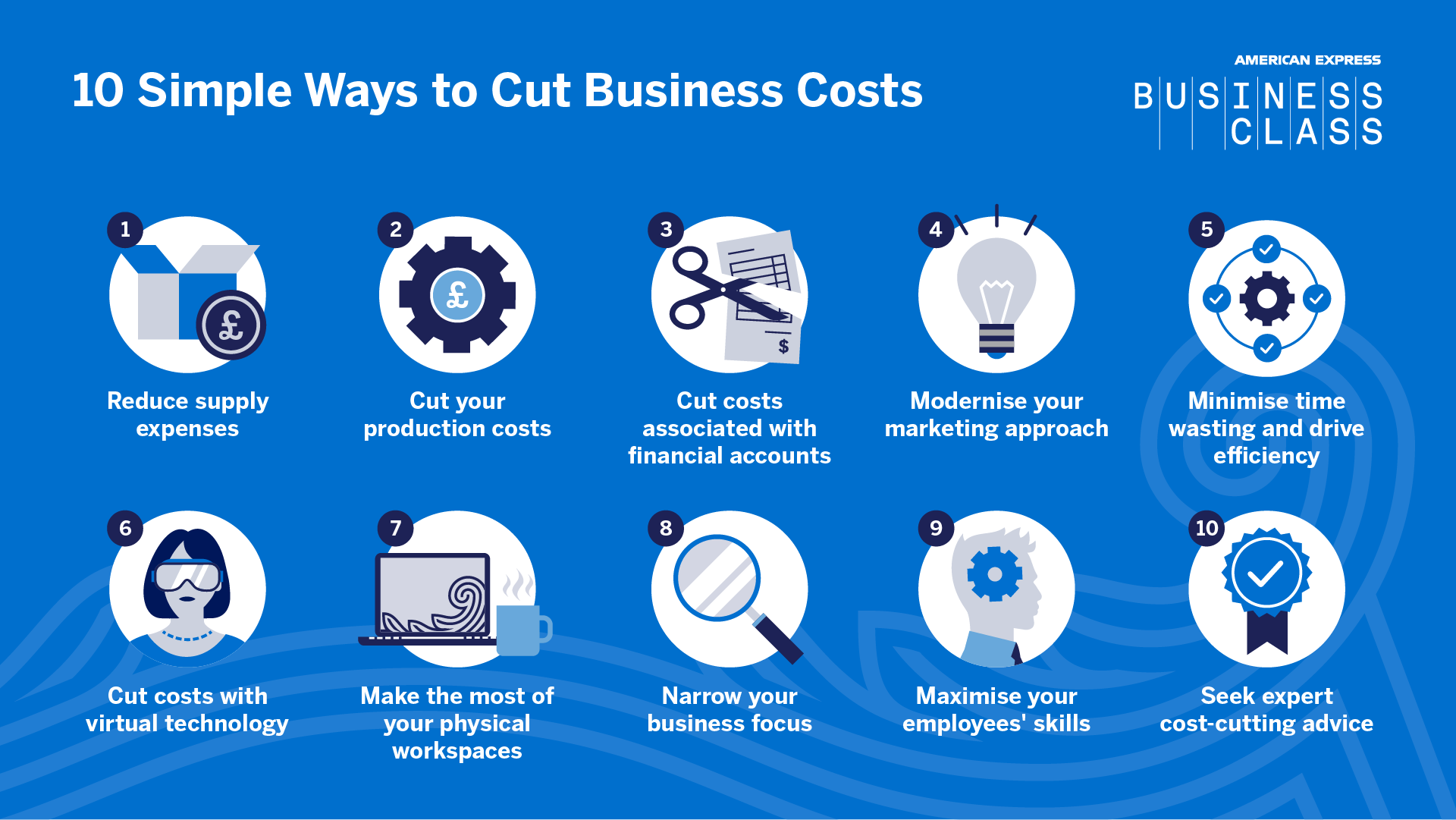
Review fixed and variable costs quarterly. Cancel unused subscriptions, renegotiate vendor contracts for bulk discounts, and switch to energy-efficient suppliers—potentially saving 10-15% on overheads, as suggested by Clarify Capital.
2. Automate Where Possible
Implement AI tools for repetitive tasks like invoicing and inventory management. HubSpot's trends show automation yielding 20-25% efficiency gains, freeing cash for growth without adding headcount. Learn more about AI-powered business analytics.
3. Foster a Cost-Conscious Culture
Encourage team input on savings, such as remote work to cut office costs or bulk purchasing. ProcureDesk's 15 tips emphasize automating procurement to lower operating costs by fostering accountability.
4. Optimize Supply Chains
Shift to local suppliers to reduce shipping inflation impacts, or use predictive analytics for just-in-time inventory, minimizing holding costs.
| Fix Strategy | Description | Expected Impact |
|---|---|---|
| Expense Audits | Quarterly reviews of all outflows, prioritizing high-variable items like utilities. | 10-20% reduction in non-essential spend. |
| Automation | Adopt AI for ops like payroll and CRM to cut manual errors. | 15-25% efficiency boost, per Gartner. |
| Vendor Negotiations | Rebid contracts annually, leveraging bulk or long-term deals. | 5-15% savings on supplies and services. |
| Energy Efficiency Upgrades | Invest in LED lighting or smart thermostats for quick ROI. | Lower utility bills by up to 20%. |
| Remote/Hybrid Models | Reduce office space needs amid rising rents. | 10-30% cut in fixed overheads. |
Harnessing Efficiency Diagnostics for Lasting Savings
Efficiency diagnostics are game-changers for cash-strapped small businesses, providing unbiased insights without $10K+ consultant fees. BizHealth.ai excels here: our AI analyzes your 30-minute input to deliver comprehensive reports in under 90 minutes, identifying ops gaps like HR misalignment or risk management lapses that inflate costs.
For instance, if inflation's ops impact shows in your Financials, our diagnostics auto-recommend fixes—like linking to BizGrowth Academy courses for cash flow forecasting. This fosters 30%+ cross-transitions in our Integrated Growth Suite, yielding 20-25x ROI on $199-$799 assessments. Gartner's 2026 trends underscore AI's role in scaling smarter, with diagnostics enabling predictive maintenance to avert costly downtimes.
💡 Pro Tip:
Start small: Use our Employees Report to spot delegation opportunities, reducing overload and enhancing morale. In 2026, with 53% small business AI adoption per SBA, tools like ours level the playing field against Fortune 500 resources, turning inflation pressures into efficiency levers.
Global Insights: Adapting Fixes Across Markets
While U.S.-focused (80% of our ICP), these strategies resonate globally. In the UK, with 5.45M small businesses and 90% digital adoption, post-Brexit policies amplify cost crunches—use diagnostics for compliance tweaks. Australia's 2.59M small businesses face remote work bottlenecks; automate supply chains for sustainability. Emerging markets like India benefit from broad applicability, targeting consultants for M&A evaluations.
Our universal KPIs (e.g., OKRs, McKinsey 7S) ensure seamless fit, empowering owners in Toronto or Sydney to address cash squeezes affordably.
Conclusion: Stop Guessing, Start Growing
2026 doesn't have to mean cash crunches—with targeted operational cost fixes, awareness of inflation's ops impact, and efficiency diagnostics, you can sustain growth amid uncertainty. BizHealth.ai cuts the middleman, delivering expeditious insights to uncover 15-20% efficiencies and foster resilient scaling.
Ready to Stop Guessing and Start Growing?
Begin growing your business today with a comprehensive business health assessment. Your growth starts here.
Start My Assessment