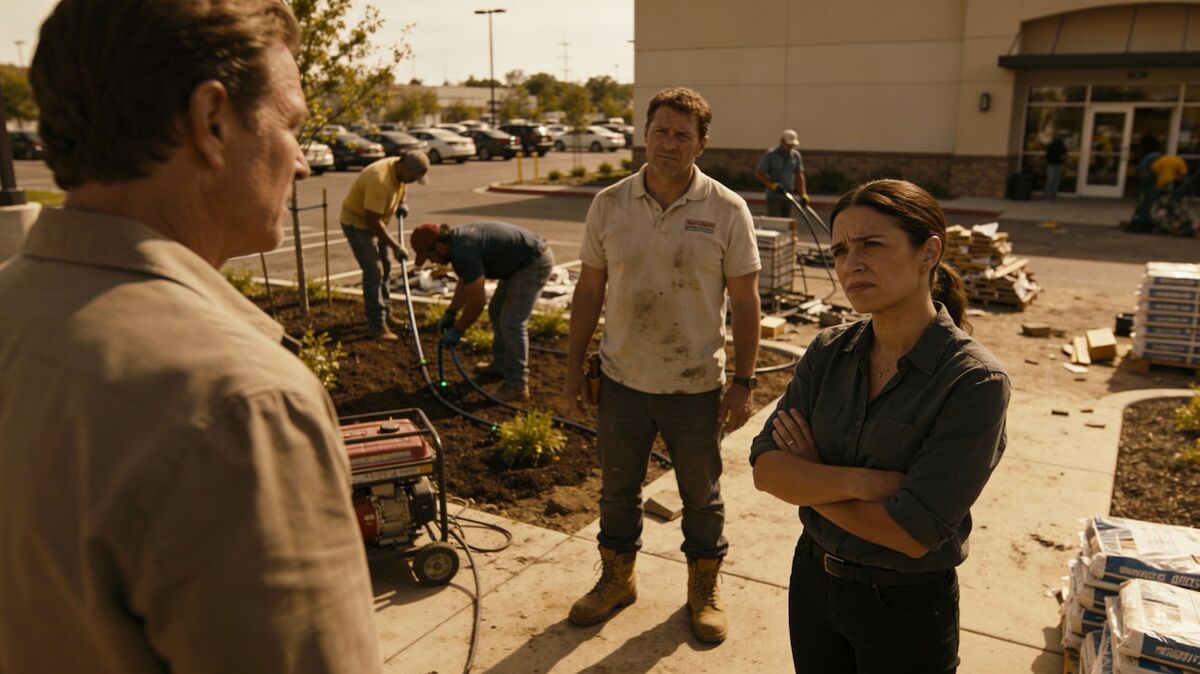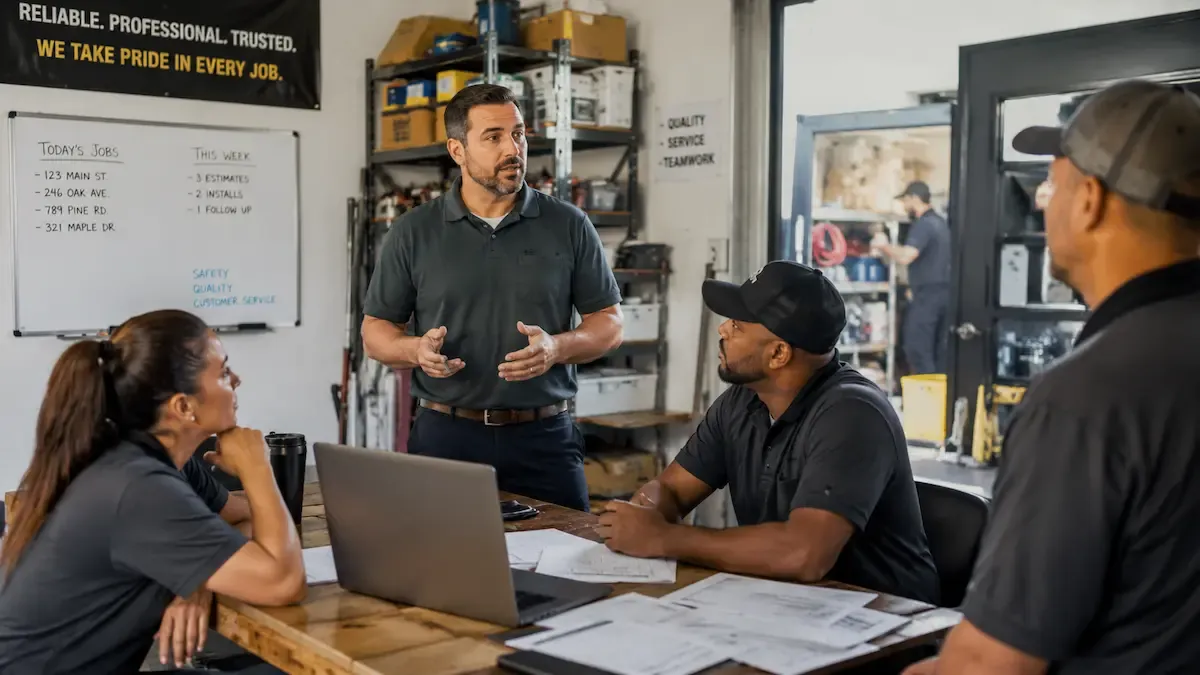
Growth stage · Hiring & crew retention
Construction Hiring and Keeping Crews: How to Find, Train, and Keep Field Workers
If you cannot find enough workers or keep the good ones you already have, growth gets harder fast. This guide helps small business owners tighten the hiring, onboarding, supervision, and crew experience habits that make field teams more stable and jobs easier to run.
Built for small business owners. Plain language. Practical next steps.
~11-minute read · One working session
You're in the Right Place If…
- You are struggling to find enough qualified field workers.
- New hires start, but too many do not last.
- Good workers get frustrated by confusion, poor planning, or weak leadership on jobsites.
- You have work available, but not enough crew capacity to handle it well.
- The people problem may actually be tied to operations, not just recruiting.
Not this page? If you're still setting up the business and just starting to add people, start with the Construction Startup Checklist.
Quick Crew Self-Check
Check each line that is true today.
Section 1
Why hiring is hard in construction right now
The labor market is genuinely tight: in a 2025 AGC of America / NCCER workforce survey, 92% of construction firms reported trouble finding qualified workers, and labor shortages were the top cause of project delays for 45% of firms.
That matters because many owners assume their hiring struggle means they are doing something uniquely wrong, when the market really is this tight. At the same time, a lot of hiring pain is still controllable — through better role clarity, stronger onboarding, steadier supervision, and a cleaner jobsite experience.
Example: A contractor may keep saying, "Nobody wants to work," but the deeper issue is often that good workers join, face chaotic starts, weak supervision, poor communication, and inconsistent hours, then leave for another company that feels more stable.
Section 2
Hiring checklist for field roles
These are the basics that help you hire more deliberately, not just faster.
Hiring Checklist
What owners miss: Many hiring problems start with unclear role definition. If you cannot explain what success looks like in the job, the wrong people often get hired into the wrong situation.
Section 3
Onboarding and early training checklist
The first few days matter more than most owners think.
Onboarding Checklist
What owners miss: A weak first week can make a decent hire look like a bad hire. When onboarding is rushed or disorganized, people often leave before they ever had a fair chance to succeed.
Section 4
Crew retention checklist
Retention is about the day-to-day work experience, not just wages.
Crew Retention Checklist
What owners miss: Owners often assume retention is mostly about pay, but people also leave because the work environment feels disorganized, frustrating, or unfair. That's why this connects directly to daily operations, not just hiring on its own.
Section 5
Supervisor and lead-hand checklist
Front-line leadership either stabilizes your crews or drives churn.
Supervisor Checklist
What owners miss: The best worker is not automatically the best leader. When a crew lead cannot plan, teach, or communicate well, good workers often disengage even if the lead is highly skilled in the trade.
Honest check
Warning Signs Your People Problem is Really an Operations Problem
Sometimes the hiring problem is really an operations problem wearing a people costume. Watch for these signs.
- New hires walk into confusion instead of a clear start plan.
- Crews regularly wait on materials, equipment, or answers.
- Good workers seem frustrated by avoidable chaos more than by the work itself.
- Supervisors spend the day reacting to breakdowns instead of leading.
- Turnover is highest on certain crews, under certain leaders, or on the messiest jobs.
- The owner keeps blaming recruiting, but the same jobsite problems keep showing up.
- Team morale drops when schedules, handoffs, or expectations stay unclear.
If people keep leaving the same messy environment, the business may not have only a hiring problem. It may have an operations problem that keeps showing up through people.
Section 7
Common questions small business owners ask about construction hiring and retention
The questions we hear most often — answered in plain language.
Q1Why is it so hard to hire construction workers right now?
Q2Why do good field workers leave?
Q3How can I improve retention without just raising pay?
Q4What should happen in the first week for a new hire?
Q5How do I know if my people problem is really an operations problem?
Section 8
Your next best step
Pick the route that matches the real root issue behind your crew problem.
Construction Daily Operations Checklist
Scheduling, crew readiness, equipment, closeout
Best for: "Poor field systems are frustrating workers and making jobs harder to run."
Open guide2Construction Marketing Basics
Steadier demand and better backlog quality
Best for: "Growth depends on steadier demand and better backlog quality."
Open guide3Construction Business Startup Checklist
Licenses, pricing, structure, first jobs
Best for: "The business is still too early-stage to support hiring well."
Open guide4Construction Profitability Checklist
Pricing, job cost, and margin discipline
Best for: "Labor cost is killing margin and you need pricing or job-cost fixes underneath."
Open guide5Construction Cash Flow Guide
Cover payroll without choking cash
Best for: "Payroll, overtime, and turnover are squeezing the bank account."
Open guide6See all construction guides
Back to the Construction / Contractors hub
Best for: "Browse every guide in the cluster and pick the one that fits next."
Open guideYou Can't Grow Past Your Crew.
Tighten hiring, onboarding, supervision, and the daily crew experience — then re-check your whole business with a BizHealth assessment.