Daily Grind Fixes: Ops Tips for Early-Stage Food Businesses
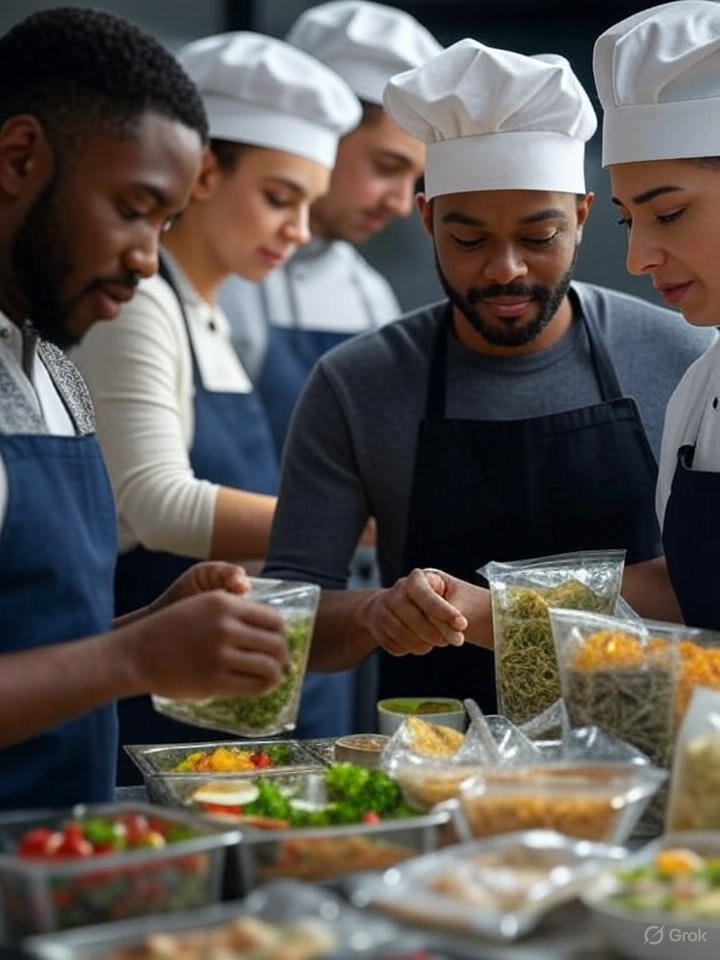
If you're wading through the whirlwind of launching a food business—a pop-up taco stand, a home-based jam kitchen, or a fledgling meal prep service—you know the "daily grind" isn't just a catchy phrase. It's the relentless rhythm of sourcing ingredients at dawn, perfecting recipes by noon, and scrubbing counters past midnight, all while wondering if this passion project will keep the lights on.
In 2025, early-stage food ventures are thriving, powering 1.1 million job openings nationwide, yet the flip side is stark: nearly half shutter within five years, with razor-thin margins for error. As a mentor who's guided countless founders through these trenches, I'm here to tell you: success isn't about grinding harder; it's about grinding smarter. Building operational resilience is key to long-term survival. Drawing from SBA insights, real-world ops playbooks, and hard-earned lessons, this guide unpacks actionable fixes to streamline your operations, fortify your supply chain, master inventory, navigate lifestyle challenges, and benchmark for momentum. Think of this as a fireside chat with your seasoned advisor—let's turn that grind into gears that drive your dream forward.
Early Food Business Ops in 2025: Build the Foundation, Skip the Frenzy
When you're knee-deep in dough—literally and figuratively—it's tempting to just "figure it out." But here's the truth: chaotic operations don't just slow you down; they can sink you. Let's break down the essentials.
Time Management for Food Entrepreneurs
You're likely wearing 10 hats before breakfast. The key? Identify your "high-leverage" hours—the times you're sharpest for critical tasks like menu planning or vendor calls—and protect them. Batch low-energy tasks (data entry, email) into specific blocks. Tools like Trello or Notion can help map weekly workflows visually, so you're not reinventing the wheel every day.
Standard Operating Procedures (SOPs)
Document everything—yes, even "obvious" stuff like how to label containers or open the register. Standardized work processes are the foundation of scalable operations. SOPs save sanity when you hire help or scale. Start simple: a shared Google Doc with step-by-step checklists for daily, weekly, and monthly tasks.
Supply Chain Strategies: The Backbone of Your Kitchen
Supply chain woes can turn a promising week into a crisis. Here's how to build resilience without overcomplicating things.
Diversify Your Vendors
Relying on a single supplier for key ingredients is a recipe for disaster. Have at least two backup sources for your top 10 ingredients. Local farmers' markets, restaurant supply co-ops, and online wholesale platforms (like WebstaurantStore) can fill gaps fast.
Build Relationships, Not Just Transactions
Get personal with your vendors. Know their names, their challenges, their delivery schedules. When shortages hit, loyal partners often prioritize their favorite customers. A quick "thank you" call after a smooth delivery goes a long way.
Operations Check
Are daily operational fires burning through your profits?
Food businesses lose 3-9% of revenue to inefficiencies they can't see. A quick health assessment identifies exactly where to focus for maximum impact.
No consultants. No ongoing fees. Just clarity.
Inventory Management: Waste Less, Profit More
Food waste isn't just an ethical issue—it's a profit killer. With margins as thin as 3-9% for most food businesses, every wasted ingredient chips away at your bottom line.
The FIFO Method
"First In, First Out" isn't sexy, but it works. Rotate stock religiously. Label everything with dates. Train every team member—even part-timers—on this system.
Track, Track, Track
Use inventory software like MarketMan, BlueCart, or even a well-maintained spreadsheet to monitor usage patterns. Spot trends: Are certain items consistently over-ordered? Is there a recipe that's a silent cash drain?
Lifestyle Challenges: The Human Side of Food Entrepreneurship
Let's get real: burnout is the silent killer of food ventures. The passion that got you started can become your prison if you don't guard your energy.
Schedule Recovery Time
Block "off" hours like you'd block a major meeting. Your creativity and decision-making degrade when you're exhausted. Even 30 minutes of walking or reading can reset your mental state.
Build a Support Network
Connect with other food entrepreneurs—online communities like r/foodstartup, local small business meetups, or industry associations. Shared experiences remind you that you're not alone in the chaos.
SBA Benchmarks: Know Your Numbers, Know Your Future
The Small Business Administration provides invaluable benchmarks for food businesses. Here are the key metrics to track:
- Food Cost Percentage: Aim for 28-35% of revenue
- Labor Cost: Target 25-35% of total costs
- Prime Cost: Food + Labor should be under 65% of revenue
- Profit Margin: Healthy food businesses target 3-9% net profit
Ready for a Deeper Dive?
The daily grind doesn't have to grind you down. A comprehensive business health assessment can reveal blind spots in your operations, finances, and growth strategy—giving you a clear roadmap to sustainable success.
Start Your Business Health AssessmentRelated Articles
Explore more insights to help grow your business

Retail Remote Tools: 2025 Tech for Family-Owned Micro Ventures
Discover essential retail remote tools for family-owned businesses in 2025.

Operational Resilience Strategies
Build business systems that withstand market volatility with proven resilience strategies.

Q4 Cost Crunches: Operational Fixes for Small Businesses
Navigate Q4 cash crunches with proven operational cost fixes.
