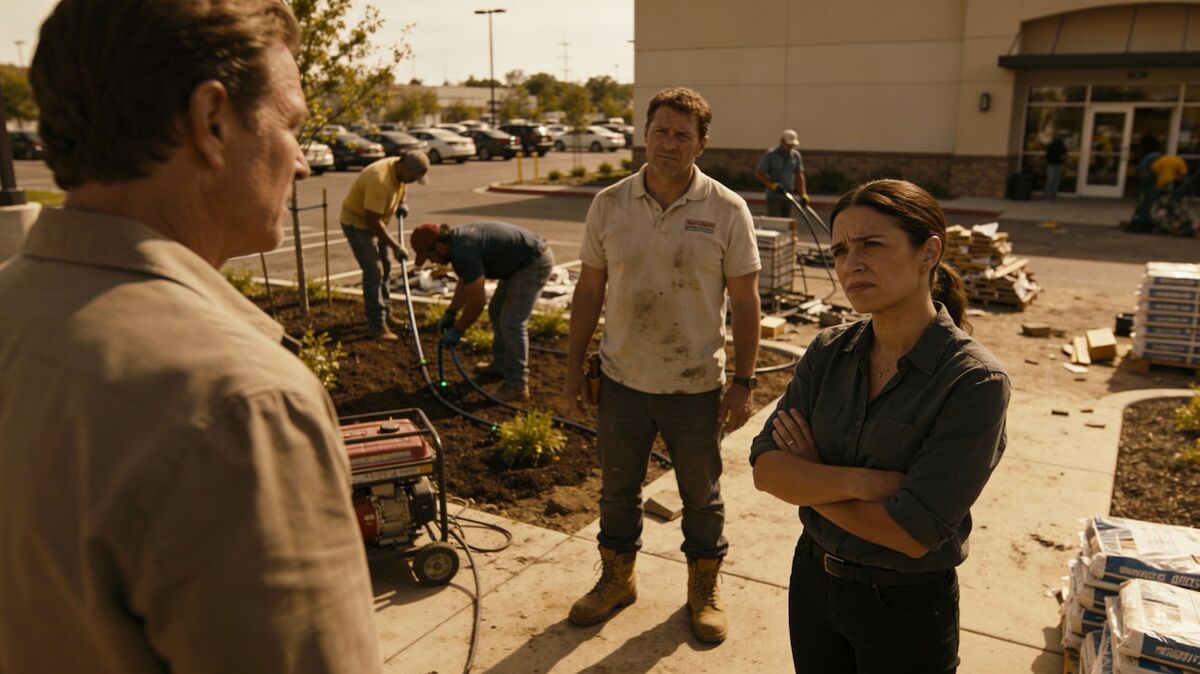
Coordination · Quality, scheduling & accountability
Construction Subcontractor Management Checklist: Quality, Scheduling, and Accountability
Subcontractors can help your business grow, but only if expectations, communication, scheduling, and follow-through are clear. This guide helps small business owners reduce avoidable delays, quality issues, and accountability gaps before they hurt the job.
Built for small business owners. Plain language. Practical next steps.
~8–10-minute read · One working session
You Are in the Right Place If…
- Jobs fall behind because subcontractors arrive late, underprepared, or out of sequence.
- Scope sounds clear during estimating, but confusion shows up once work starts.
- Quality problems keep surfacing after another trade has already moved in.
- Your team spends too much time chasing updates instead of managing the job forward.
- You rely on subcontractors to scale, but accountability gets weaker as project volume grows.
- Customers do not care which trade caused the issue; they only see that the project feels disorganized.
Not this page? If the core issue is daily field readiness and handoffs across your own crews, start with the Construction Daily Operations Checklist.
Quick Subcontractor Coordination Self-Check
Check each line that is true today.
Section 1
Why subcontractor management matters
Subcontractor problems rarely show up as one bad partner. They show up as missed handoffs, rushed work, and cash that arrives late — the predictable outputs of a weak coordination system around outside trades.
Why Subcontractor Problems Get Expensive Fast
Weak subcontractor management creates delay, rework, customer frustration, payment slowdowns, and lost margin, even when demand is strong. One missed sequencing call can ripple through three trades, push final inspection, and stall the final draw.
The Issue is Not Just Who You Hire, but How You Manage the Handoff
Many owners treat subcontractor problems as isolated people issues when the deeper problem is weak expectations, sequencing, communication, or follow-through. Even strong trades look unreliable inside a sloppy handoff system.
What Healthy Subcontractor Coordination Looks Like
Healthy coordination shows up as cleaner billing, predictable handoffs, fewer surprise callbacks, and shorter punch lists. It is built before the trade arrives, not enforced after the trade leaves.
The handoff flow
- 1. Scope
- 2. Readiness
- 3. Sequencing
- 4. Quality check
- 5. Closeout
Strong handoffs at each link beat heroic recovery after the fact.
The chain reaction when a handoff slips
- 1. Missed handoff
- 2. Delay
- 3. Rushed work
- 4. Rework
- 5. Billing slowdown
- 6. Tighter cash
What owners miss: Subcontractor problems often start before the subcontractor arrives — in the scope, the readiness, or the sequencing decision made days earlier.
Section 2
Subcontractor fit and selection checklist
Choose trade partners you can actually rely on, not just whoever is available this week. Fit is part technical, part cultural, and part documentation.
💡 Why this matters
Cheap coverage can become expensive if it creates schedule drag or rework.
Subcontractor fit is partly a culture and communication question, not only a technical one.
⚠️ Warning signs
- Repeatedly using the same underperforming partner because they are familiar.
- Choosing based mainly on immediate availability.
- No standard for what makes a trade partner "good enough" for repeat work.
Scenario — great trade, poor sequencing: A reliable electrician keeps getting blamed for delays, but the real pattern is that drywall is finishing late on every job. The trade is fine; the sequencing is not.
Section 3
Scope clarity and expectation-setting checklist
Reduce confusion before work begins. Most subcontractor disputes start with assumptions, not bad intent.
💡 Why this matters
Many subcontractor disputes start with assumptions, not bad intent.
Clear scope protects both schedule flow and margin recovery later.
⚠️ Warning signs
- Frequent "that was not included" conversations.
- Field teams relying on verbal agreements or memory.
- The office, PM, and field lead describing the same scope differently.
When scope drift and pricing disputes keep showing up after work has started, pair this with the construction change order checklist so extras are priced and approved before labor gets given away.
Section 4
Pre-start readiness checklist
Make sure the subcontractor can actually begin cleanly when scheduled, not just "mostly" begin.
💡 Why this matters
A subcontractor arriving to an unready site wastes time, strains relationships, and weakens accountability on both sides.
You cannot expect strong trade performance inside a sloppy handoff system.
⚠️ Warning signs
- Last-minute start confirmations.
- Crews arriving before materials, access, or preceding work is truly ready.
- Frequent "we thought they were good to go" situations.
When readiness problems reflect broader planning weakness across the day, walk through the daily operations checklist for contractors alongside this section.
Section 5
Scheduling and sequencing checklist
Manage subcontractors as part of a coordinated flow, not isolated appointments. Good subcontractor management is really schedule management plus communication discipline.
💡 Why this matters
Good subcontractor management is really schedule management plus communication discipline.
Overpacked schedules make even good trade partners look unreliable.
⚠️ Warning signs
- Trades showing up on top of each other.
- One delayed scope repeatedly disrupting three more.
- Schedule updates happening too late to be useful.
What owners miss: Poor sequencing can make a good trade look like a bad one. Before firing a partner, look at the conditions you put them into.
When there is simply too much overlapping work for the coordination capacity you have, open the backlog planning guide for contractors to right-size what you take on next.
Section 6
Communication and accountability checklist
Keep expectations visible and follow-through measurable. Accountability is a system, not a confrontation.
💡 Why this matters
Accountability works best when there is shared visibility, not just blame after a miss.
Owners often think a subcontractor is "hard to manage" when the real issue is inconsistent communication ownership.
⚠️ Warning signs
- Everyone assumes someone else already informed the trade partner.
- Problems are discussed repeatedly but not documented clearly.
- Repeated misses lead to frustration, but nothing changes in process or consequences.
What owners miss: Accountability gets stronger when the handoff, documentation, and recovery process are already clear — long before anyone misses.
Section 7
Quality-control and punch checklist
Catch quality issues before they spread across the job. Late quality control is expensive quality control.
💡 Why this matters
Late quality control is expensive quality control.
Punch discipline protects both margin and customer trust.
⚠️ Warning signs
- Defects discovered only after the next trade is already working.
- Rework cycles becoming normalized.
- The same issue appearing across multiple jobs with the same partner.
When rework and punch costs are quietly killing margin, pair this section with the construction profitability checklist to see how callbacks are eroding job margin.
Section 8
Billing, paperwork, and closeout checklist
Keep subcontractor administration from slowing payment and job completion. Weak closeout turns an operations problem into a cash problem.
💡 Why this matters
Weak closeout turns an operations problem into a cash problem.
Documentation discipline is part of subcontractor management, not office busywork.
⚠️ Warning signs
- Billing disputes tied to undocumented progress or changed scope.
- Final paperwork chasing long after field work "looked done."
- Owner billing held up because subcontractor closeout is incomplete.
Scenario — clear scope, weak closeout: The work is finished on a Friday, but lien waivers, photos, and the punch list trickle in over three weeks. The customer's final draw waits the same three weeks.
What owners miss: Weak subcontractor management can quietly hurt cash flow when billing and closeout slip.
When paperwork and slow closeout are delaying real cash collection, walk through the contractor cash flow guide and then forecast the gap with the construction cash flow forecast template.
Section 9
Relationship review and continuous-improvement checklist
Improve the subcontractor bench over time instead of repeating the same mistakes. A strong subcontractor network is built through standards and review, not just long relationships.
💡 Why this matters
A strong subcontractor network is built through standards and review, not just long relationships.
Better partner decisions compound over time.
⚠️ Warning signs
- No post-job review habit.
- Same performance problems repeating with no change in vendor choices or internal controls.
- Loyalty overriding evidence.
Scenario — good crew, overloaded schedule: A trusted framer slips two jobs in a row. The review shows it was not them — you stacked three starts in the same week without telling them upstream conditions had shifted.
When margin questions tied to rework and subcontractor overruns keep coming up, sanity-check the numbers in the construction job cost & margin calculator.
Honest check
Warning Signs Your Subcontractor Management System is Weaker Than It Looks
- The same trade coordination issues repeat across different jobs.
- Your team spends too much time reacting to preventable handoff problems.
- Quality corrections are discovered too late to avoid cost and delay.
- Scope or change disagreements keep resurfacing after the work is already moving.
- Jobs stall because no one is clearly owning the next coordination step.
- Outside trade partners feel unpredictable because the internal system is inconsistent.
These are not signs that your trade partners are bad. They are signs that the system around them — scope, readiness, sequencing, communication, and closeout — needs to be sharper.
Section 11
Questions small business owners ask about managing subcontractors
The questions we hear most often — answered in plain language.
Q1How do I manage subcontractors better on construction jobs?
Q2What should be included before a subcontractor starts work?
Q3Why do subcontractor problems keep hurting my schedule?
Q4How do I hold subcontractors accountable without creating constant conflict?
Q5Can poor subcontractor coordination hurt cash flow?
Q6How do I know if the problem is the subcontractor or my internal process?
Section 12
Your next best step
Pick the move that matches what subcontractor coordination is exposing in the business right now.
Tighten daily field handoffs
Construction Daily Operations Checklist
Best for: "Readiness, sequencing, and daily handoff discipline are the core issue."
Open guide2Protect scope and payment on extras
Construction Change Order Checklist
Best for: "Unclear scope and extra-work approval keep creating disputes."
Open guide3Turn closeout into collected cash
Construction Cash Flow Guide
Best for: "Incomplete closeout and paperwork delays are slowing payment."
Open guide4Stop rework from eating margin
Construction Profitability Checklist
Best for: "Rework, callbacks, and poor coordination are eroding job margin."
Open guide5Right-size the work you take on
Construction Backlog Planning Guide
Best for: "More overlapping work than the business can coordinate well."
Open guide6Build supervision and crew depth
Construction Hiring & Keeping Crews
Best for: "Coordination pressure is really a supervision and labor-capacity issue."
Open guide7See all construction guides
Construction / Contractors Growth Hub
Best for: "I want to see the full path."
Open guideIf subcontractor issues are hurting quality and margin, go to the Construction Profitability Checklist next. If the real problem is too many overlapping jobs, open the Backlog Planning Guide.
Strong Subcontractor Management Protects Schedule, Margin, and Trust.
Tighten the handoffs above, then pick the next guide that matches what the coordination is really exposing — daily operations, scope and payment, or cash.